 |
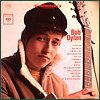
Bob Dylan
Released: March, 1962
Tracks: "You're No
Good" - "Talking New York"
- "In My Time Of Dyin'" -
"Man Of Constant Sorrow" -
"Fixin' To Die" - "Pretty
Peggy-O" - "Highway 51" -
"Gospel Plow" - "Baby, Let
Me Follow You Down" - "House Of
The Rising Sun" - "Freight
Train Blues" - "Song To
Woody" - "See That My Grave Is
Kept Clean" |
iTunes
Amazon.mp3 |
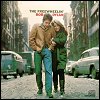
The Freewheelin' Bob
Dylan
 Released: May, 1963 Released: May, 1963
US: Platinum
Billboard
peak:
# 22
Tracks: "Blowin' In
The Wind" - "Girl From The
North Country" - "Masters Of
War" - "Down The Highway"
- "Bob Dylan's Blues" -
"Hard Rain's A-Gonna Fall" -
"Don't Think Twice, It's All
Right" - "Bob Dylan's
Dream" - "Oxford Town" -
"Talking World War III Blues" -
"Corrine, Corrina" -
"Honey, Just Allow Me One More
Change" - "I Shall Be
Free" |
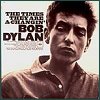 |
The Times They Are
A-Changin' '
Released: February, 1964
US: Gold
Billboard
peak:
# 20
Tracks: "Times They
Are A-Changing" - "Ballad Of
Hillis Brown" - "With God On
Our Side" - "One Too Many
Mornings" - "North Country
Blues" - "Only A Pawn In Their
Game" - "Boots Of Spanish
Leather" - "When The Ship Comes
In" - "Lonesome Death Of Hattie
Carroll" - "Restless
Farewell" |
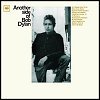 |
Another Side Of Bob
Dylan
Released: May, 1964
US: Gold
Billboard
peak:
# 43
Tracks: "All I
Really Want To Do" - "Black
Crow Blues" - "Spanish Harlem
Incident" - "Chimes Of
Freedom" - "I Shall Be Free No.
10" - "To Ramona" -
"Motorpsycho Nightmare" -
"My Back Pages" - "I Don't
Believe You (She Acts Like We Never
Met)" - "Ballad In Plain
D" - "It Ain't Me, Babe" |
iTunes
Amazon.mp3
vinyl |
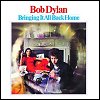
Bringing It All Back
Home
Released: March, 1965
US: Platinum
Billboard
peak:
# 6
Tracks:
"Subterranean Homesick Blues" -
"She Belongs To Me" -
"Maggie's Farm" - "Love
Minus Zero / No Limit" -
"Outlaw Blues" - "On The
Road Again" - "Bob Dylan's
115th Dream" - "Mr. Tambourine
Man" - "Gates Of Eden" -
"It's Alright, Ma (I'm Only
Bleeding)" - "It's All Over
Now, Baby Blue" |
iTunes
Amazon.mp3
vinyl |
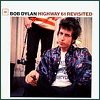
Highway 61 Revisited
Released: August 30, 1965
US: Platinum
Billboard
peak:
# 3
Tracks: "Like A
Rolling Stone" - "Tombstone
Blues" - "It Takes A Lot To
Laugh, It Takes A Train To Cry" -
"From A Buick 6" - "Ballad
Of A Thin Man" - "Queen Jane
Approximately" - "Highway 61
Revisited" - "Just Like Tom
Thumb's Blues" - "Desolation
Row" |
iTunes
Amazon.mp3
vinyl |
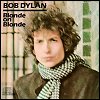
Blonde On Blonde
Released: May 16, 1966
US: 2x Platinum
Billboard
peak:
# 9
Tracks: "Rainy Day
Women #12 & 35" - "Pledging
My Time" - "Visions Of
Johanna" - "One Of Us Must Know
(Sooner Or Later)" - "I Want
You" - "Stuck Inside Of Mobile
With The Memphis Blues Again" -
"Leopard-Skin Pill-Box Hat" -
"Just Like A Woman" -
"Most Likely You Go Your Way And
I'll Go Mine" - "Temporary Like
Achilles" - "Absolutely Sweet
Marie" - "4th Time Around"
- "Obviously 5 Believers" -
"Sad Eyed Lady Of The Lowlands"
|
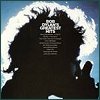 |
Bob Dylan's Greatest
Hits
Released: March, 1967
US: 5x Platinum
Billboard
peak:
# 10
Tracks: "Rainy Day
Women #12 & 35" - "Blowin'
In The Wind" - "The Times They
Are A-Changin'" - "It Ain't Me,
Babe" - "Like A Rolling
Stone" - "Mr. Tambourine
Man" - "Subterranean Homesick
Blues" - "I Want You" -
"Positively 4th Street" -
"Just Like A Woman" |
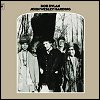 |
John Wesley Harding
Released: December, 1967
US: Platinum
Billboard
peak:
# 2
Tracks: "John Wesley
Harding" - "As I Went Out One
Morning" - "I Dreamed I Saw St.
Augustine" - "All Along The
Watchtower" - "The Ballad Of
Frankie Lee And Judas Priest" -
"Drifter's Escape" - "Dear
Landlord" - "I Am A Lonesome
Hobo" - "I Pity The Poor
Immigrant" - "The Wicked
Messenger" - "Down Along The
Cove" - "I'll Be Your Baby
Tonight" |
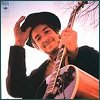 |
Nashville Skyline
Released: April, 1969
US: Platinum
Billboard
peak:
# 3
Tracks: "Girl Of The
North Country" - "Nashville
Skyline Rag" - "To Be Alone
With You" - "I Threw It All
Away" - "Peggy Day" -
"Lay Lady Lay" - "One More
Night" - "Tell Me That It Isn't
True" - "Country Pie" -
"Tonight I'll Be Staying Here With
You" |
 |
Self Portrait
Released: June, 1970
US: Gold
Billboard
peak:
# 4
Tracks: "All The
Tired Horses" - "Alberta
#1" - "I Forgot More Than
You'll Ever Know" - "Days Of
'49" - "Early Morning
Rain" - "In Search Of Little
Sadie" - "Let It Be Me" -
"Little Sadie" - "Woogie
Boogie" - "Belle Isle" -
"Living The Blues" - "Like
A Rolling Stone" - "Copper
Kettle (The Pale Moonlight)" -
"Gotta Travel On" - "Blue
Moon" - "Boxer" -
"Mighty Quinn (Quinn The
Eskimo)" - "Take Me As I Am (Or
Let Me Go)" - "Take A Message
To Mary" - "It Hurts Me
Too" - "Minstrel Boy" -
"She Belongs To Me" -
"Wigwarm" - "Alberta
#2" |
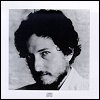 |
New Morning
Released: October, 1970
US: Gold
Billboard
peak:
# 7
Tracks: "If Not For
You" - "Day Of The
Locusts" - "Time Passes
Slowly" - "Went To See The
Gypsy" - "Winterlude" -
"If Dogs Run Free" - "New
Morning" - "Sign On The
Window" - "One More
Weekend" - "Man In Me" -
"Three Angels" - "Father
Of Night" |
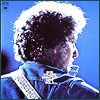 |
Bob Dylan's Greatest
Hits, Vol. 2
Released: November, 1971
US: 5x Platinum
Billboard
peak:
# 14
Tracks: "Watching
The River Flow" - "Don't Think
Twice, It's All Right" - "Lay
Lady Lay" - "Stuck Inside Of
Mobile With The Memphis Blues Again"
- "I'll Be Your Baby Tonight" -
"All I Really Want To Do" -
"My Back Pages" -
"Maggie's Farm" - "Tonight
I'll Be Staying Here With You" -
"She Belongs To Me" - "All
Along The Watchtower" - "The
Mighty Quinn (Quinn, The Eskimo)" -
"Just Like Tom Thumb's Blues" -
"A Hard Rain's A-Gonna Fall" -
"If Not For You" - "It's
All Over Now, Baby Blue" -
"Tomorrow Is A Long Time" -
"When I Paint My Masterpiece" -
"I Shall Be Released" -
"You Ain't Goin' Nowhere" -
"Down In The Flood" |
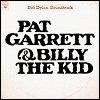 |
Pat Garrett And Billy
The Kid soundtrack
Released: July, 1973
Tracks: "Main Title
Theme (Billy)" - "Cantina Theme
(Workin' For The Law)" - "Billy
1" - "Bunkhouse Theme" -
"River Theme" - "Turkey
Chase" - "Knockin' On Heaven's
Door" - "Final Theme" -
"Billy 4" - "Billy 7" |
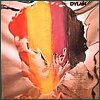 |
Dylan
Released: November, 1973
US: Gold
Billboard
peak:
# 17
Tracks: "Lily Of The
West" - "Can't Help Falling In
Love" - "Sarah Jane" -
"Mr. Bojangles" - "The
Ballad Of Ira Hayes" - "Mary
Ann" - "Big Yellow Taxi" -
"A Fool Such As I" -
"Spanish Is The Loving Tongue" |
iTunes
Amazon.mp3 |
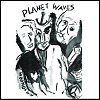
Planet Waves
Released: January, 1974
US: Gold
Billboard
peak:
# 1 (for 4 weeks)
Tracks: "On A Night
Like This" - "Going, Going,
Gone" - "Tough Mama" -
"Hazel" - "Something There
Is About You" - "Forever
Young" - "Dirge" -
"You Angel You" - "Never
Say Goodbye" - "Wedding
Song" |
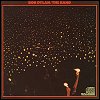 |
Before The Flood
Released: June, 1974
US: Platinum
Billboard
peak:
# 3
Live Tracks: "Most Likely
You Go Your Way And I'll Go Mine" -
"Lay Lady Lay" - "Rainy
Day Women #12 & 35" -
"Knockin' On Heaven's Door" -
"It Ain't Me Babe" -
"Ballad Of A Thin Man" -
"Up On A Cripple Creek" -
"I Shall Be Released" -
"Endless Highway" - "The
Night They Drove Old Dixie Down" -
"Stage Fright" - "Don't
Think Twice, It's All Right" -
"Just Like A Woman" -
"It's Alright, Ma (I'm Only
Bleeding)" - "Shape I'm
In" - "When You Awake" -
"The Weight" - "All Along
The Watchtower" - "Highway 61
Revisited" - "Like A Rolling
Stone" - "Blowin' In The
Wind" |
iTunes
Amazon.mp3
vinyl |
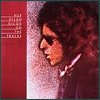
Blood On The Tracks
Released: January, 1975
US: 2x Platinum
Billboard
peak:
# 1 (for 2 weeks)
Tracks: "Tangled Up
In Blue" - "Simple Twist Of
Fate" - "You're A Big Girl
Now" - "Idiot Wind" -
"You're Gonna Make Me Lonesome When
You Go" - "Meet Me In The
Morning" - "Lily, Rosemary And
The Jack Of Hearts" - "If You
See Her, Say Hello" - "Shelter
From The Storm" - "Buckets Of
Rain" |
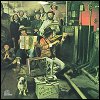 |
The Basement Tapes
Released: July, 1975
US: Gold
Billboard
peak:
# 7
Tracks: "Odds And
Ends" - "Orange Juice Blues
(Blues For Breakfast)" -
"Million Dollar Bash" -
"Yazoo Street Scandal" -
"Goin' To Acapulco" -
"Katie's Been Gone" - "Lo
And Behold" - "Bassie
Smith" - "Clothesline
Saga" - "Apple Suckling
Tree" - "Please, Mrs.
Henry" - "Tears Of Rage" -
"Too Much Of Nothing" -
"Yea Heavy And A Bottle Of
Bread" - "Ain't No More
Cane" - "Crash On The Levee
(Down In The Flood)" - "Ruben
Remus" - "Tiny Montgomery"
- "You Ain't Going Nowhere" -
"Don't Ya Tell Henry" -
"Nothing Was Delivered" -
"Open The Door, Homer" -
"Long Distance Operator" -
"This Wheel's On Fire" |
iTunes
Amazon.mp3 |
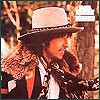
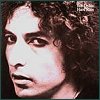
Desire
Released: January, 1976
US: 2x Platinum
Billboard
peak:
# 1 (for 5 weeks)
Tracks:
"Hurricane" - "Isis"
- "Mozambique" - "One More
Cup Of Coffee (Valley Below)" -
"Oh, Sister" - "Joey"
- "Romance In Durango" -
"Black Diamond Bay" -
"Sara" |
 |
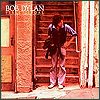
Hard Rain
Released: September 13,
1976
US: Gold
Billboard
peak:
# 17
Live Tracks: "Maggie's
Farm" - "One Too Many
Mornings" - "Stuck Inside Of
Mobile With The Memphis Blues Again"
- "Oh, Sister" - "Lay Lady
Lay" - "Shelter From The
Storm" - "You're A Big Girl
Now" - "I Threw It All
Away" - "Idiot Wind" |
 |
Street Legal
Released: June, 1978
US: Gold
Billboard
peak:
# 11
Tracks: "Changing Of
The Guards" - "New Pony" -
"No Time To Think" -
"Baby, Stop Crying" - "Is
Your Love In Vain?" - "Senor
(Tales Of Yankee Power)" -
"True Love Tends To Forget" -
"We Better Talk This Over" -
"Where Are You Tonight?" |
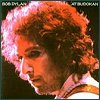 |
Live At Budokan
Released: November, 1978
US: Gold
Billboard
peak:
# 13
Live Tracks: "Mr.
Tambourine Man" - "Shelter From
The Storm" - "Love Minus Zero /
No Limit" - "Ballad Of A Thin
Man" - "Don't Think Twice It's
All Right" - "Maggie's
Farm" - "One More Cup Of
Coffee" - "Like A Rolling
Stone" - "I Shall Be
Released" - "Is You Love In
Vain?" - "Going, Going,
Gone" - "Blowin' In The
Wind" - "Just Like A
Woman" - "Oh, Sister" -
"Simple Twist Of Fate" -
"All Along The Watchtower" -
"I Want You" - "All I
Really Want To Do" - "Knockin'
On Heaven's Door" - "It's
Alright, Ma (I'm Only Bleeding)" -
"Forever Young" - "Times
They Are A-Changing" |
iTunes
Amazon.mp3 |
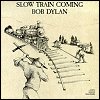
Slow Train Coming
Released: August 20, 1979
US: Platinum
Billboard
peak:
# 3
Tracks: "Gotta Serve
Somebody" - "Precious
Angel" - "I Believe In
You" - "Slow Train" -
"Gonna Change My Way Of
Thinking" - "Do Right To Me
Baby (Do Unto Others)" - "When
You Gonna Wake Up" - "Man Gave
Names To All The Animals" -
"When He Returns" |
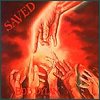 |
Saved
Released: June, 1980
Billboard
peak:
# 24
Tracks: "Satisfied
Mind" - "Saved" -
"Covenant Woman" - "What
Can I Do For You?" - "Solid
Rock" - "Pressing On" -
"In The Garden" - "Saving
Grace" - "Are You Ready" |
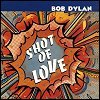 |
Shot Of Love
Released: August, 1981
Billboard
peak:
# 33
Tracks: "Shot Of
Love" - "Heart Of Mine" -
"Property Of Jesus" -
"Lenny Bruce" -
"Watered-Down Love" -
"Groom's Still Waiting At The
Altar" - "Dead Man, Dead
Man" - "In The Summertime"
- "Trouble" - "Every Grain
Of Sand" |
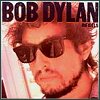 |
Infidels
Released: October, 1983
US: Gold
Billboard
peak:
# 20
Tracks:
"Jokerman" - "Sweetheart
Like You" - "Neighborhood
Bully" - "License To Kill"
- "Man Of Peace" - "Union
Sundown" - "I And I" -
"Don't Fall Apart On Me
Tonight" |
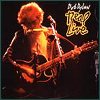 |
Real Live In Europe,
1984
Released: November, 1984
Billboard
peak:
# 115
Live Tracks: "Highway 61
Revisited" - "Maggie's
Farm" - "I And I" -
"License To Kill" - "It
Ain't Me Babe" - "Tangled Up In
Blue" - "Masters Of War" -
"Ballad Of A Thin Man" -
"Girl From The North Country" -
"Tombstone Blues" |
 |
Empire Burlesque
Released: May, 1985
Billboard
peak:
# 33
Tracks: "Tight
Connection To My Heart (Has Anyone Seen
My Love?)" - "Seeing The Real
You At Last" - "I'll Remember
You" - "Clean Cut Kid" -
"Never Gonna Be The Same Again"
- "Trust Yourself" -
"Emotionally Yours" -
"When The Night Comes Falling From
The Sky" - "Something's
Burning, Baby" - "Dark
Eyes" |
 |
Biograph (box set)
Released: November, 1985
US: Platinum
Billboard
peak:
# 33
Tracks: "Lay Lady
Lay" - "Baby, Let Me Follow You
Down" - "If Not For You" -
"I'll Be Your Baby Tonight" -
"I'll Keep It With Mine" -
"Times They Are A-Changin'" -
"Blowin' In The Wind" -
"Masters Of War" -
"Lonesome Death Of Hattie
Carroll" - "Percy's Song"
- "Mixed-Up Confusion" -
"Tombstone Blues" -
"Groom's Still Waiting At The
Altar" - "Most Likely You Go
Your Way And I'll Go Mine" -
"Like A Rolling Stone" -
"Lay Down Your Weary Tune" -
"Subterranean Homesick Blues" -
"I Don't Believe You (She Acts Like
We Never Have Met)" - "Visions
Of Johanna" (live) - "Every
Grain Of Sand" - "Quinn The
Eskimo (The Mighty Quinn)" -
"Mr. Tambourine Man" -
"Dear Landlord" - "It
Ain't Me, Babe" - "You Angel
You" - "Million Dollar
Bash" - "To Ramona" -
"You're A Big Girl Now" -
"Abandoned Love" -
"Tangled Up In Blue" -
"It's All Over Now, Baby Blue"
(live) - "Can You Please Crawl Out
Your Window?" - "Positively 4th
Street" - "Isis" (live) -
"Jet Pilot" - "Caribbean
Wind" - "Up To Me" -
"Baby, I'm In The Mood For You"
- "I Wanna Be Your Lover" -
"I Want You" - "Heart Of
Mine" (live) - "On A Night Like
This" - "Just Like A
Woman" - "Romance In
Durango" (live) - "Senor (Tales
Of Yankee Power)" - "Gotta
Serve Somebody" - "I Believe In
You" - "Time Passes
Slowly" - "I Shall Be
Released" - "Knockin' On
Heaven's Door" - "All Along The
Watchtower" - "Solid Rock"
- "Forever Young" |
 |
Knocked Out Loaded
Released: July, 1986
Billboard
peak:
# 53
Tracks: "You Wanna
Ramble" - "They Killed
Him" - "Driftin' Too Far From
Shore" - "Precious
Memories" - "Maybe
Someday" - "Brownsville
Girl" - "I've Got My Mind Made
Up" - "Under Your Spell" |
 |
Dylan And The Dead
Released: January, 1989
US: Gold
Billboard
peak:
# 37
Rolling Stone
review:
Live Tracks: "Slow
Train" - "I Want You" -
"Gotta Serve Somebody" -
"Queen Jane Approximately" -
"Joey" - "All Along The
Watchtower" - "Knockin' On
Heaven's Door" |
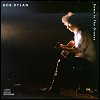 |
Down In The Groove
Released: May, 1988
Billboard
peak:
# 61
Tracks: "Let's Stick
Together" - "When Did You Leave
Heaven?" - "Sally Sue
Brown" - "Death Is Not The
End" - "Had A Dream About You,
Baby" - "Ugliest Girl In The
World" - "Silvio" -
"Ninety Miles An Hour (Down A Dead
End Street)" -
"Shenandoah" - "Rank
Strangers (To Me)" |
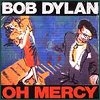 |
Oh Mercy
Released: September, 1989
Billboard
peak:
# 30
Tracks: "Political
World" - "Where Teardrops
Fall" - "Everything Is
Broken" - "Ring Them
Bells" - "Man In The Long Black
Coat" - "Most Of The Time"
- "What Good Am I?" -
"Disease Of Conceit" -
"What Was It You Wanted?" -
"Shooting Star" |
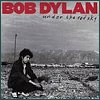 |
Under The Red Sky
Released: September, 1990
Billboard
peak:
# 38
Tracks: "Wiggle
Wiggle" - "Under The Red
Sky" - "Unbelievable" -
"Born In Time" - "TV
Talkin' Song" - "10,000
Men" - "2 X 2" - "God
Knows" - "Handy Dandy" -
"Cat's In The Well" |
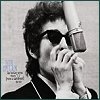 |
The Bootleg Series,
Volumes 1-3, Rare And Unreleased
1961-1989
Released: March, 1991
US: Gold
Billboard
peak:
# 49
Tracks: "Hard Times
in New York Town" (live) - "He
Was A Friend Of Mine" - "Man On
The Street" - "No More Auction
Block" (live) - "House
Carpenter" - "Talkin' Bear
Mountain Picnic Massacre Blues" -
"Let Me Die In My Footsteps" -
"Rambling, Gambling Willie" -
"Talkin' Have Negeilah Blues" -
"Quit Your Low Down Ways" -
"Worried Blues" -
"Kingsport Town" -
"Walkin' Down The Line" -
"Walls Of Red Wing" -
"Paths Of Victory" -
"Talkin' John Birch Paranoid
Blues" (live) - "Who Killed
Davey Moore?" - "Only A
Hobo" - "Moonshiner" -
"When The Ship Comes In" -
"Times They Are A-Changin'" -
"Last Thoughts On Woody
Gutherie" (live) - "Seven
Curses" - "Eternal Circle"
- "Suze (The Cough Song)" -
"Mama, You Been On My Mind" -
"Farewell, Angelina" -
"Subterranean Homesick Blues"
(Alternate Acoustic Version) - "If
You Gotta Go, Go Now (Or Else You Got To
Stay All Night)" - "Sitting On
A Barbed Wire Fence" - "Like A
Rolling Stone" - "It Takes A
Lot To Laugh, It Takes A Train To
Cry" (Alternate Version) -
"I'll Keep It With Mine" -
"She's Your Lover Now" -
"I Shall Be Released" -
"Santa Fe" - "If Not For
You" (Alternate Version) -
"Wallflower" - "Nobody
'Cept You" - "Tangled Up In
Blue" - "Call Letter
Blues" - "Idiot Wind" -
"If You See Her, Say Hello" -
"Golden Loom" -
"Catfish" - "Seven
Days" (live) - "Ye Shall Be
Changed" - "Every Grain Of
Sand" - "You Changed My
Life" - "Need A Woman" -
"Angelina" - "Someone's
Got A Hold Of My Heart" - "Tell
Me" - "Lord Protect My
Child" - "Foot Of Pride" -
"Blind Willie McTell" -
"When The Night Comes Falling From
The Sky" - "Series Of
Dreams" |
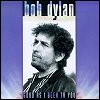 |
Good As I Been To You
Released: November, 1992
Billboard
peak:
# 51
Tracks: "Frankie And
Albert" - "Jim Jones" -
"Black Jack Davey" -
"Canadee-I-O" - "Sitting
On Top Of The World" - "Little
Maggie" - "Hard Times" -
"Step It Up And Go" -
"Tomorrow Night" - "Arthur
McBride" - "You're Gonna Quit
Me" - "Diamond Joe" -
"Froggie Went-A-Courtin'" |
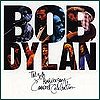 |
The 30th Anniversary
Concert Celebration
Released: August, 1993
Dylan Live Tracks: "It's
Alright, Ma (I'm Only Bleeding)" -
"Knockin' On Heaven's Door" -
"Girl From The North Country" |
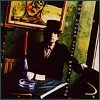 |
World Gone Wrong
Released: October, 1993
Billboard
peak:
# 70
Tracks: "World Gone
By" - "Love Henry" -
"Ragged & Dirty" -
"Blood In My Eyes" -
"Broke Down Engine" -
"Della" - "Stackalee"
- "Two Soldiers" -
"Jack-A-Roe" - "Lone
Pilgrim" |
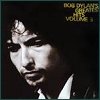 |
Bob Dylan's Greatest
Hits, Vol. 3
Released: November, 1994
US: Gold
Billboard
peak:
# 126
Tracks: "Tangled Up
In Blue" - "Changing Of The
Guards" - "The Groom's Still
Waiting At The Altar" -
"Hurricane" - "Forever
Young" - "Jokerman" -
"Dignity" - "Silvio"
- "Ring Them Bells" -
"Gotta Serve Somebody" -
"Series Of Dreams" -
"Brownsville Girl" -
"Under The Red Sky" -
"Knockin' On Heaven's Door" |
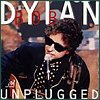 |
MTV Unplugged
Released: May, 1995
US: Gold
Billboard
peak:
# 23
Live Tracks: "Tombstone
Blues" - "Shooting Star" -
"All Along The Watchtower" -
"Times They Are A-Changing" -
"John Brown" - "Rainy Day
Women #12 & 35" -
"Desolation Row" -
"Dignity" - "Knockin' On
Heaven's Door" - "Like A
Rolling Stone" - "With God On
Our Side" |
iTunes
Amazon.mp3 |
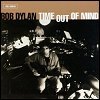
Time Out Of Mind
Released: September, 1997
US: Platinum
Billboard
peak:
# 10
Tracks: "Love
Sick" - "Dirt Road Blues"
- "Standing In The Doorway" -
"Million Miles" - "Tryin'
To Get To Heaven" - "'Til I
Fell In Love With You" - "Not
Dark Yet" - "Cold Irons
Bound" - "To Make You Feel My
Love" - "Can't Wait" -
"Highlands" |
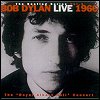 |
Live 1966: The Royal
Albert Hall Concert - The Bootleg Series
Vol. 4
Released: October, 1998
US: Gold
Billboard
peak:
# 31
Live Tracks: "She Belongs
To Me" - "Fourth Time
Around" - "Visions Of
Johanna" - "It's All Over Now,
Baby Blue" - "Desolation
Row" - "Just Like A Woman"
- "Mr. Tambourine Man" -
"Tell Me, Momma" - "I
Don't Believe You (She Acts Like We Never
Have Met)" - "Baby, Let Me
Follow You Down" - "Just Like
Tom Thumb's Blues" -
"Leopard-Skin Pill-Box Hat" -
"One Too Many Mornings" -
"Ballad Of A Thin Man" -
"Like A Rolling Stone" |
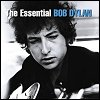 |
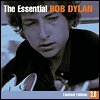
The Essential Bob Dylan
Released: October 31, 2000
US: 2x Platinum
Billboard
peak:
# 67
Tracks: "Blowin' In
The Wind" - "Don't Think Twice,
It's All Right" - "Times They
Are A-Changing" - "It Ain't Me
Babe" - "Maggie's Farm" -
"It's All Over Now, Baby Blue"
- "Mr. Tambourine Man" -
"Subterranean Homesick Blues" -
"Like A Rolling Stone" -
"Positively 4th Street" -
"Just Like A Woman" -
"Rainy Day Women #12 & 35"
- "All Along The Watchtower" -
"Mighty Quinn (Quinn The
Eskimo)" - "I'll Be Your Baby
Tonight" - "Lay Lady Lay"
- "If Not For You" - "I
Shall Be Released" - "You Ain't
Going Nowhere" - "Knockin' On
Heaven's Door" - "Forever
Young" - "Tangled Up In
Blue" - "Shelter From The
Storm" - "Hurricane" -
"Gotta Serve Somebody" -
"Jokerman" - "Silvio"
- "Everything Is Broken" -
"Not Dark Yet" - "Things
Have Changed" |
 |
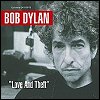
Love & Theft
Released: September, 2001
US: Gold
Billboard
peak:
# 5
Tracks: "Tweedle Dee
& Tweedle Dum" -
"Mississippi" - "Summer
Days" - "Bye And Bye" -
"Lonesome Day Blues" -
"Floater (Too Much To Ask)" -
"High Water (For Charlie
Patton)" - "Moonlight" -
"Honest With Me" - "Po'
Boy" - "Cry A While" -
"Sugar Baby" |
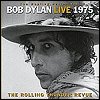 |
Bob Dylan Live 1975 (The
Bootleg Series Volume 5)
Released: November, 2002
Billboard
peak:
# 56
Live Tracks: "Tonight
I'll Be Staying Here With You" -
"It Ain't Me, Babe" - "A
Hard Rain's A-Gonna Fall" -
"The Lonesome Death Of Hattie
Carroll" - "Romance In
Durango" - "Isis" -
"Mr. Tambourine Man" -
"Simple Twist Of Fate" -
"Blowin' In The Wind" -
"Mama, You Been On My Mind" -
"I Shall Be Released" -
"It's All Over Now, Baby Blue"
- "Love Minus Zero / No Limit"
- "Tangled Up In Blue" -
"The Water Is Wide" - "It
Takes A Lot To Laugh, It Take A Train To
Cry" - "Oh, Sister" -
"Hurricane" - "One More
Cup Of Coffee (Valley Below)" -
"Sara" - "Just Like A
Woman" - "Knockin' On Heaven's
Door" |
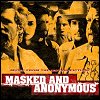 |
Masked & Anonymous soundtrack
Released: July, 2003
Dylan Tracks: "Down In The
Flood" - "Diamond Joe" -
"Dixie" - "Cold Irons
Bound" |
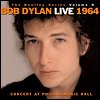 |
Live 1964: Concert At
Philharmonic Hall... The Bootleg Series
Volume 6
Released: March, 2004
Billboard
peak:
# 28
Live Tracks: "The Times
They Are A-Changin'" - "Spanish
Harlem Incident" - "Talkin'
John Birch Paranoid Blues" -
"To Ramona" - "Who Killed
Davey Moore?" - "Gates Of
Eden" - "If You Gotta Go, Go
Now" - "It's Alright, Ma (I'm
Only Bleeding)" - "I Don't
Believe You" - "Mr. Tamborine
Man" - "A Hard Rain's A-Gonna
Fall" - "Talkin' World War III
Blues" - "Don't Think Twice,
It's All Right" - "The Lonesome
Death Of Hattie Carroll" -
"Mama, You Been On My Mind" -
"Sliver Dagger" - "With
God On Our Side" - "It Ain't
Me, Babe" - "All I Really Want
To Do" |
 |
No Direction Home: The
Soundtrack (The Bootleg Series Vol. 7)
Released: August, 2005
US: Gold
Billboard
peak:
# 16
Rolling Stone:  - Entertainment
Weekly: A - Entertainment
Weekly: A
Live Tracks: "When I Got
Troubles" - "Rambler,
Gambler" - "This Land Is Your
Land" - "Song To Woody" -
"Dink's Song" - "I Was
Young When I Left Home" -
"Sally Gal" - "Don't Think
Twice, It's All Right" - "Man
Of Constant Sorrow" - "Blowin'
In The Wind" - "Masters Of
War" - "A Hard Rain's A-Gonna
Fall" - "When The Ship Comes
In" - "Mr. Tambourine Man"
- "Chimes Of Freedom" -
"It's All Over Now, Baby Blue"
- "She Belongs To Me" -
"Maggie's Farm" - "It
Takes A Lot To Laugh, It Takes A Train To
Cry" - "Tombstone Blues" -
"Just Like Tom Thumb's Blues" -
"Desolation Row" -
"Highway 61 Revisited" -
"Leopard Skin Pill Box Hat" -
"Stuck Inside Of Mobile With The
Memphis Blues Again" - "Visions
Of Johanna" - "Ballad Of A Thin
Man" - "Like A Rolling
Stone" |
|
Modern Times.
Released: August, 2006
US: Platinum
Billboard
peak:
# 1 (for a week)
Rolling Stone: 
Tracks: "Thunder On
The Mountain" - "Spirit On The
Water" - "Rollin' And
Tumblin'" - "When The Deal Goes
Down" - "Someday Baby" -
"Workingman's Blues #2" -
"Beyond The Horizon" -
"Nettie Moore" - "The
Levee's Gonna Break" - "Ain't
Talkin'" |
 |
Dylan
Released: October, 2007
Billboard
peak:
# 36
Tracks: "Song To
Woody" - "Blowin' In The
Wind" - "Master Of War" -
"Don't Think Twice, It's All
Right" - "A Hard Rain's-A-Gonna
Fall" - "The Times They Are
A-Changin'" - "All I Really
Want To Do" - "My Back
Pages" - "It Ain't Me,
Babe" - "Subterranean Homesick
Blues" - "Mr. Tambourine
Man" - "Maggie's Farm" -
"Like A Rolling Stone" -
"It's All Over Now, Baby Blue"
- "Positively 4th Street" -
"Rainy Day Women #12 & 35"
- "Just Like A Woman" -
"Most Likely You Go Your Way (And
I'll Go Mine)" - "All Along The
Watchtower" - "You Ain't Goin'
Nowhere" - "Lay Lady Lay"
- "If Not For You" - "I
Shall Be Released" - "Knockin'
On Heaven's Door" - "On A Night
Like This" - "Forever
Young" - "Tangled Up In
Blue" - "Simple Twist Of
Fate" - "Hurricane" -
"Changing Of The Guards" -
"Gotta Serve Somebody" -
"Precous Angel" - "The
Groom's Still Waiting At The Altar"
- "Jokerman" - "Dark
Eyes" - "Blind Willie
McTell" - "Brownsville
Girl" - "Silvio" -
"Ring Them Bells" -
"Dignity" - "Everything Is
Broken" - "Under The Red
Sky" - "You're Gonna Quit Me: -
"Blood In My Eyes" - "Not
Dark yet" - "Things Have
Changed" - "Make You Feel My
Love" - "High Water" -
"Po' Boy" - "Someday
Baby" - "When The Deal Goes
Down" |
|
Tell Tale Signs: The
Bootleg Series Vol. 8
Released: October, 2008
Billboard
peak:
# 6
Rolling Stone: - Entertainment
Weekly: A
Tracks:
"Mississippi" - "Most Of
The Time" - "Dignity" -
"Someday Baby" - "Red
River Shore" - "Tell Ol'
Bill" - "Born In Time" -
"Can't Wait" - "Everything
Is Broken" - "Dreamin' Of
You" - "Huck's Tune" -
"Marchin' To The City" -
"High Water" -
"Mississippi" (version 2) -
"32-20 Blues" - "Series Of
Dreams" - "God Knows" -
"Can't Escape From You" -
"Dignity" - "Ring Them
Bells" - "Cocaine Blues" -
"Ain't Talkin'" - "The
Girl On The Greenbriar Shore" -
"Lonesome Day Blues" -
"Miss The Mississippi" -
"The Lonesome River" -
"'Cross The Green Mountain" -
"Duncan & Brady" -
"Cold Irons bound" -
"Mississippi" (version 3) -
"Most Of The Time" - "Ring
Them Bells" - "Things have
Changed" - "Red River
Shore" - "Born In Time" -
"Tryin' To Get To heaven" -
"Marchin' To The City" -
"Can't Wait" - "Mary And
The Soldier" |
|
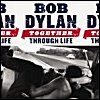
Together Through Life
Released: April, 2009
US: 2x Platinum
Billboard
peak:
# 1
Rolling Stone:  - Entertainment
Weekly: B- - Entertainment
Weekly: B-
Tracks: "Beyond Here
Lies Nothin'" - "Life is
Hard" - "My Wife's Home
Town" - "If You Ever Go To
Houston" - "Forgetful
Heart" - "Joelene" -
"This Dream Of You" -
"Shake Shake Mama" - "I
Feel A Change Comin' On" -
"It's All Good" |
|
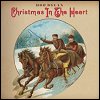
Christmas In The Heart
Released: October, 2009
Rolling Stone: 
Tracks: "Here Comes
Santa Claus" - "Do You Hear
What I Hear?" - "Winter
Wonderland" - "Hark The Heralds
Angels Sing" - "I'll Be Home
For Christmas" - "Little
Drummer Boy" - "The Christmas
Blues" - "O Come All Ye
Faithful" - "Have Yourself A
Merry Little Christmas" - "Must
Be Santa" - "Silver Bells"
- "The First Noel" -
"Christmas Island" - "The
Christmas Song" - "O Little
Town Of Bethlehem" |
|
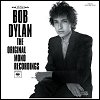
The Original Mono
Recordings (box set)
Released: October, 2010 |
|
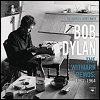
The Witmark Demos:
1962-1964 (The Bootleg Series Vol. 9)
Released: October, 2010
Tracks: "Man On The
Street" - "Hard Times In New
York Town" - "Poor Boy
Blues" - "Ballad For A
Friend" - "Rambling, Gambling
Willie" - "Talking Bear
Mountain Picnic Massacre Blues" -
"Standing On The Highway" -
"Man On The Street" -
"Blowin' In The Wind" -
"Long Ago, Far Away" - "A
Hard Rain's A-Gonna Fall" -
"Tomorrow Is A Long Time" -
"The Death Of Emmett Till" -
"Let Me Die In My Footsteps" -
"Ballad Of Hollis Brown" -
"Quit Your Low Down Ways" -
"Baby, I'm In The Mood For You"
- "Bound To Lose, Bound To Win"
- "All Over You" - "I'd
Hate To Be You On That Dreadful Day"
- "Long Time Gone" -
"Talkin' John Birch Paranoid
Blues" - "Masters Of War"
- "Oxford Town" -
"Farewell" - "Don't Think
Twice, It's All Right" -
"Walkin' Down The Line" -
"I Shall Be Free" - "Bob
Dylan's Blues" - "Bob Dylan's
Dream" - "Boots Of Spanish
Leather" - "Walls Of Red
Wing" - "Girl From North
County" - "Seven Curses" -
"Hero Blues" - "Whatcha
Gonna Do?" - "Gypsy Lou" -
"Ain't Gonna Grieve" -
"John Brown" - "Only A
Hobo" - "When The Ship Comes
In" - "The Times They Are
A-Changin'" - "Paths Of
Victory" - "Guess I'm Doing
Fine" - "Baby Let Me Follow You
Down" - "Mama, You Been On My
Mind" - "Mr. Tambourine
Man" - "I'll Keep It With Me' |
|
Bob Dylan In Concert:
Brandeis University 1963
Released: April, 2011
Live Tracks: "Honey, Just
Allow Me One More Chance" -
"Talkin' John Birch Paranoid
Blues" - "Ballad Of Hollis
Brown" - "Masters Of War"
- "Talkin' World War III Blues"
- "Bob Dylan's Dream" -
"Talking Bear Mountain Picnic
Massacre Blues" |
iTunes
Amazon.mp3 |
Tempest
Released: September, 2012
Billboard
peak:
# 3
Tracks: "Duquesne
Whistle" - "Soon After
Midnight" - "Narrow Way" -
"Long And Wasted Years" -
"Pay In Blood" - "Scarlet
Town" - "Early Roman
Kings" - "Tin Angel" -
"Tempest" - "Roll On
John" |
iTunes
Amazon.mp3 |
Another Self Portrait
(1969-1971): The Bootleg Series Vol. 10
Released: August 27, 2013
Billboard
peak:
# 21
Tracks: "Went To See
The Gypsy" - "Little
Sadie" - "Pretty Saro" -
"Alberta #3" - "Spanish Is
The Loving Tongue" - "Annie's
Going To Sing Her Song" - "TIme
Passes Slowly" - "Only A
Hobo" - "Minstrel Boy" -
"I Threw It All Away" -
"Railroad Bill" - "Thirsty
Boots" - "This Evening So
Soon" - "These Hands" -
"In Search Of Little Sadie" -
"House Carpenter" - "All
The Tired Horses" - "If Not For
You" - "Wallflower" -
"Wigwam" - "Days Of
'49" - "Working On A Guru"
- "Country Pie" - "I'll Be
Your Baby Tonight" - "Highway
61 Revisted" - "Copper
Kettle" - "Bring Me A Little
Water" - "Sign On The
Window" - "Tattle O'Day" -
"If Dogs Run Free" - "New
Morning" - "Went To See The
Gypsy" - "Belle Isle" -
"Time Passes Slowly" -
"When I Paint My Masterpiece" |
| |
The Complete Album
Collection V.1
Released: November 5, 2013 |
 |
The Basement Tapes
Complete: The Bootleg Series Vol. 11
Released: November 4, 2014
Billboard
peak:
# 42 |
iTunes
Amazon.mp3 |
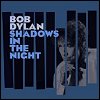
Shadows In The Night
Released: February 3, 2015
Billboard
Top 200 LPs
peak: # 7
Grammy Nominee: Best Traditional Pop
Vocal Album
Tracks: "I'm A Fool
To Want You" - "The Night We
Called It A Day" - "Stay With
Me" - "Autumn Leaves" -
"Why Try To Change Me Now" -
"Some Enchanted Evening" -
"Full Moon And Empty Arms" -
"Where Are You?" -
"What'll I Do" - "That
Lucky Old Sun" |
iTunes
Amazon.mp3 |
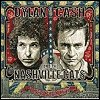
Dylan, Cash, And The
Nashville Cats: A New Music City (with Johnny Cash)
Released: June 16, 2015 |
Amazon.mp3 |
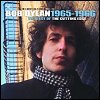
The Best Of The Cutting
Edge 1965-1966: The Bootleg Series Vol.
12
Released: November 6, 2015
Tracks: "Love Minus
Zero / No Limit" - "I'll Keep
It With Mine" - "Bob Dylan's
115th Dream" - "She Belongs To
Me" - "Subterranean Homesick
Blues" - "Outlaw Blues" -
"On The Road Again" -
"Farewell, Angelina" - "If
You Gotta Go, Go Now" - "You
Don't Have To Do That" -
"California" - "Mr.
Tambourine Man" - "It Takes A
Lot To Laugh, It Takes A Train To
Cry" - "Live A Rolling
Stone" - "Like A Rolling
Stone" (alternate take) -
"Sitting On A Barbed Wire
Fence" - "Medicine Sunday"
- "Desolation Row" -
"Desolation Row" (alternate
take) - "Tombstone Blues" -
"Positively 4th Street" -
"Can You Please Crawl Out Your
Window" - "Just Like Tom
Thumb's Blues" - "Highway 61
Revisited" - "Queen Jane
Approximately" - "Visions Of
Johanna" - "She's Your Lover
Now" - "Lunatic Princess"
- "Leopard Skin Pill Box Hat" -
"One Of Us Must Know" -
"Stuck Inside Of Mobile With The
Memphis Blues Again" -
"Absolutely Sweet Marie" -
"Just Like A Woman" -
"Pledging My Time" - "I
Want You" - "Highway 61
Revisited" |
iTunes
Amazon.mp3
vinyl |
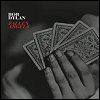
Fallen Angels
Released: May 20, 2016
Billboard
Top 200 LPs
peak: # 7
Grammy
Nominee: Best Traditional Pop
Vocal Album
Tracks: "Young At
Heart" - "Maybe You'll Be
There" - "Polka Dots And
Moonbeams" - "All The Way"
- "Skylark" -
"Nevertheless" - "All Or
Nothing At All" - "On A Little
Street In SIngapore" - "It Had
To Be You" - "Melancholy
Mood" - "That Old Black
Magic" - "Come Rain Or Come
Shine" |
| |
The 1966 Live Recordings (box set)
Released: November 11, 2016
|
iTunes
Amazon.mp3
vinyl |
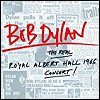
The Real Royal Albert
Hall 1966 Concert
Released: December 2, 2016
Billboard
Top 200 LPs
peak: # 113
Live Tracks: "She Belongs
To Me" - "Fourth Time
Around" - "Visions Of
Johanna" - "It's All Over Now,
Baby Blue" - "Desolation
Row" - "Just Like A Woman"
- "Mr. Tambourine Man" -
"Tell Me, Momma" - "I
Don't Believe You" - "Baby, Let
Me Follow You Down" - "Just
Like Tom Thumb's Blues" -
"Leopard-Skin Pill-Box Hat" -
"One Too Many Mornings" -
"Ballad Of A Thin Man" -
"Like A Rolling Stone" |

iTunes
Amazon.mp3
vinyl |
Triplicate
Released: March 31, 2017
Billboard
Top 200 LPs
peak: # 37
Grammy
Nominee: Best Traditional Pop
Vocal Album
Tracks: "I Guess
I'll Have To Change My Plans" -
"September Of My Years" -
"I Could Have Told You" -
"Once Upon A Time" -
"Stormy Weather" - "This
Nearly Was Mine" - "That Old
Feeling" - "It Gets Lonely
Early" - "My One And Only
Love" - "Trade Winds" -
"Braggin" - "As Time Goes
By" - "Imagination" -
"How Deep Is The Ocean" -
"P.S. I Love You" - "The
Best Is Yet To Come" - "But
Beautiful" - "Here's That Rainy
Day" - "Where Is The One"
- "There's A Flaw In My Flue" -
"Day In, Day Out" - "I
Couldn't Sleep A Wink Last Night" -
"Sentimental Journey" -
"Somewhere Along The Way" -
"When The World Was Young" -
"These Foolish Things" -
"You Got To My Head" -
"Stardust" - "It's Funny
To Everyone But Me" - "Why Was
I Born" |
iTunes
Amazon.mp3
vinyl |
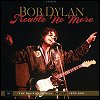
Trouble No More: The
Bootleg Series Vol. 13 / 1979-1981
Released: November 3, 2017
Billboard
Top 200 LPs
peak: # 49 |
iTunes
Amazon.mp3 |
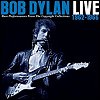
Live 1962-1966 - Rare
Performances From The Copyright
Collection
Released: July 27, 2018 |
iTunes
Amazon.mp3
vinyl |
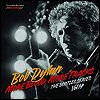
More Blood, More Tracks:
The Bootleg Series Vol. 14
Released: November 2, 2018
Billboard
peak:
# 25 |
iTunes
Amazon.mp3
vinyl |
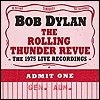
The Rolling Thunder
Revue: The 1975 Live Recordings
Released: June 7, 2019
Billboard
Top 200 LPs
peak: # 100 |
iTunes
Amazon.mp3
vinyl |
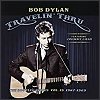
Travelin' Thru,
1967-1969: The Bootleg Series, Vol. 15
Released: November 1, 2019 |
iTunes
Amazon.mp3 |
Rough And Rowdy Ways
Released: June 19, 2019
Tracks: "I Contain
Multitudes" - "False
Prophet" - "My Own Version Of
You" - "I've Made Up My Mind To
Give Myself To You" - "Black
Rider" - "Goodbye Jimmy
Reid" - "Mother Of Muses"
- "Crossing The Rubicon" -
"Key West (Philospher Pirate)"
- "Murder Most Foul" |
iTunes
Amazon.mp3
vinyl |
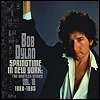
Springtime In New York:
The Bootleg Series, Vol. 16 / 1980-1985
Released: September 17,
2021 |
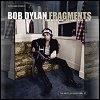 |
Fragments - Time Out Of
Mind Sessions 1996-1997 The Bootleg
Series Vol. 17
Released: January 27, 2023 |
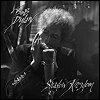 |
Shadow Kingdom
Released: June 2, 2023
Tracks: "When I
Paint My Masterpiece" - "Most
Likely You Go Your Way (And I'll Go
Mine)" - "Queen Jane
Approxinately" - "I'll Be Your
Baby Tonight" - "Just Like Tom
Thumb's Blues" - "Tombstone
Blues" - "To Be Alone With
You" - "What Was It You
Wanted" - "Forever Young"
- "Pledging My Time" -
"The Wicked Messenger" -
"Watching The River Flow" -
"It's All Over Now, Baby Blue"
- "Sierra's Theme" |
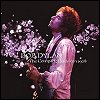 |
The Complete Budokan
1978 (live)
Released: November 17, 2023 |
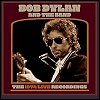 |
The 1974 Live Recordings
Released: September 20,
2024 |
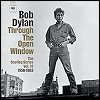 |
The Bootleg Series Vol.
18: Through The Open Window, 1956-1963
Released: October 31, 2025 |

















 REAL
NAME: Robert Allen Zimmerman
REAL
NAME: Robert Allen Zimmerman